
Jet Lag Secrets: How Flight Attendants Reset Their Body Clock Fast
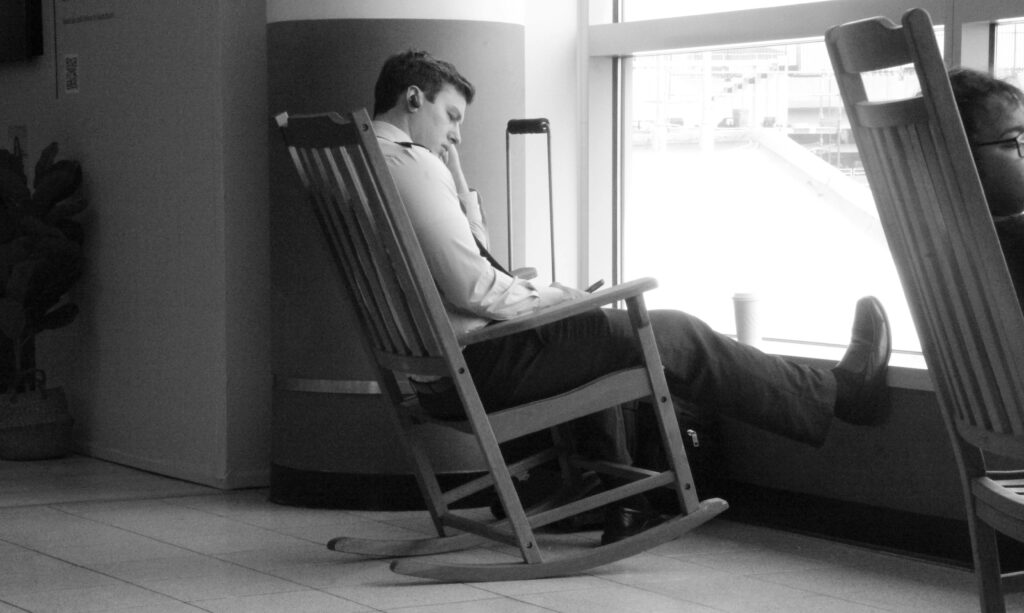
If there’s one thing cabin crew master early in their flying life, it’s the art of tricking the body into believing time zones don’t exist. Jet lag isn’t just an inconvenience for us; it’s the invisible turbulence that can ruin a layover, dull your mood, and steal your energy. Yet flight attendants bounce between continents weekly, often looking strangely awake at 6 a.m. in Tokyo or ready for dinner at midnight in London.
Here are the proven, real-world, cabin-crew-tested jet lag secrets that help us reset fast and that you can borrow for your next long-haul adventure.
START ADJUSTING BEFORE TAKEOFF
One of the biggest SEO-backed travel tips for beating jet lag is shifting your rhythm early. Cabin crew mentally walk into the new timezone as soon as the roster drops. If the destination is ahead, we sleep a little earlier each night. If it’s behind, we push bedtime later. Your body loves gradual change, and these micro-adjustments make a massive difference once you land.
USE LIGHT LIKE IT’S MEDICINE
Sunlight is your strongest weapon. On arrival, we force ourselves outside; even a 15 minute walk helps reset the circadian rhythm fast. If it’s nighttime where you land, keep lights low and screens dim. When you manage light intentionally, your internal clock syncs quicker than you expect.
HYDRATION IS EVERYTHING
Cabin crew follow one simple rule: one glass of water every hour in the air. Airplane cabins are dryer than the Sahara, and dehydration magnifies jet lag symptoms like headaches, brain fog, and fatigue. Bring an insulated bottle, refill often, and don’t wait until you feel thirsty.
NAP WITH DISCIPLINE, NOT CHAOS
The secret isn’t avoiding naps; it’s limiting them. A controlled 20 to 30 minute power nap boosts alertness without dragging your body deeper into the wrong timezone. Flight attendants swear by short naps during layovers and immediately after landing, but never longer unless it’s truly overnight in the new timezone.
EAT FOR THE TIMEZONE YOU WANT, NOT THE ONE YOU LEFT
Meal timing is one of the sneakiest circadian triggers. On board, crew eat lightly and strategically: more protein to stay awake, more carbs when it’s time to wind down. Once in the new city, switch to local mealtimes as soon as possible. Even if you’re not hungry, a small snack helps signal to your body that this is your new rhythm.
AVOID CAFFEINE AT THESE TWO TIMES
Flight attendants know caffeine can be a hero or a villain. We avoid coffee
- Within 6 hours of planned sleep
- Right after landing, when the body is already confused
Instead, we hydrate first, move a little, and drink coffee only when we’re truly trying to anchor ourselves in the new daytime.
RESET YOUR SENSES
This is the mindset trick most travelers overlook. Cabin crew change environments fast: new scent, new shower, new outfits, new routine. It signals a fresh start. Try this: once you arrive, take a warm shower, moisturize with a scent you reserve for travel, and put on clothes you associate with daytime mode. It’s surprisingly effective.
GIVE YOUR BODY THE ANCHOR HABITS IT CRAVES
Your internal clock loves consistency. Crew keep a short ritual in every city: a morning walk, a stretch routine, a specific breakfast, or a five minute mindset reset. Anchor habits tell your brain that you are stable, safe, and awake in your new timezone.
SUPPLEMENTS SOMETIMES, BUT SMARTLY
Cabin crew occasionally use low dose melatonin, never the heavy stuff, and only for the first night in a new timezone. Magnesium glycinate is also a quiet hero for relaxation and deeper sleep. But the real magic is still light exposure, hydration, and consistency.
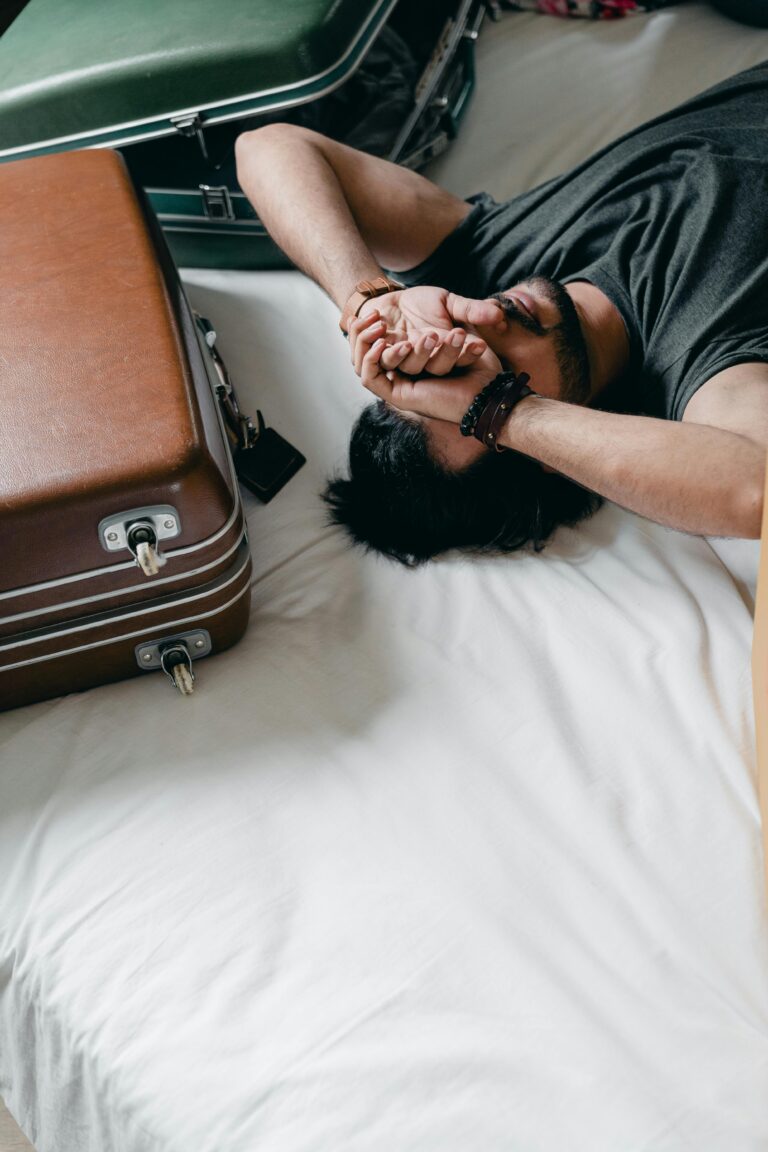
Flight attendants don’t have superhuman bodies — we just follow rhythms that work.
If you:
- Shift your sleep early
- Chase natural light
- Hydrate deeply
- Avoid poorly timed naps
- Eat smart
- Move often
- Use melatonin carefully
You can recover from jet lag faster than you ever thought possible.
Travel becomes smoother, brighter, and far more adventurous when your body clock works with you — not against you.